
- Your cart is empty Browse Shop
PROJECT OVERVIEW
FCT SAPZ Project
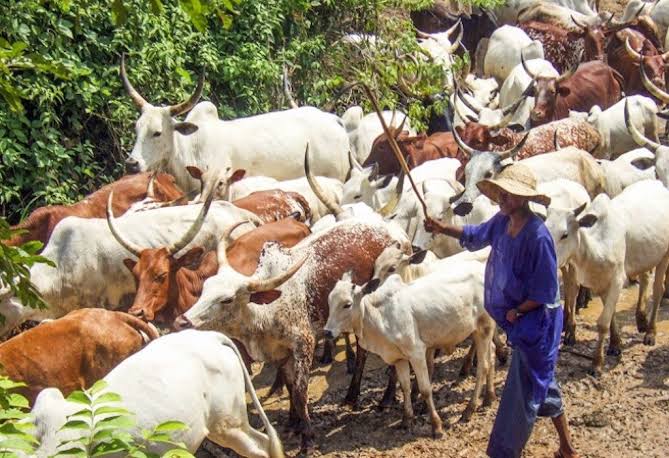
The FCT-SAPZ is an agro-based spatial development initiatives designed to concentrate agro-processing activities within areas of high production, processing and marketing of livestock (beef and dairy). The beef and dairy value chains were selected based on their high potential for value addition as per feasibility study and recommendation of FCTA authority.
Project Objective
The development objective is to support inclusive and sustainable agro-industrial development and enhance the competitiveness of the agriculture sector through promotion of livestock (beef and dairy) value chains in FCT.
Implementation Lifespan
The project will be implemented over an initial period of five years with closure by December, 2028 is being implemented by Agriculture and Rural Development Secretarial of FCTA.
Components of the FCT-SAPZ Project
The FCT-SAPZ is an agro-based spatial development initiatives designed to concentrate agro-processing activities within areas of high production, processing and marketing of livestock (beef and dairy).
Infrastructure Development & Agro-Industrial Hub
This component will support the establishment of Paikon-Kore/Dobi Livestock Industrial Hub in Gwagwalada Area Council.
Agricultural Productivity and Production
This component will support farm-level productivity enhancing infrastructures in beef and Dairy agribusiness hub.
Consultancy Services
Under this component, design and Supervision consultants will be engaged to produce the SAPZ master plan for AIH & ATCs.
Project Coordination & Management
This component will support the establishment of a decentralized project implementation arrangement
Financial Audit
This component, financed fully by the IsDB, includes the services of an independent Financial Audit firm to carry out annual audit of the project financial situation.
Contingency Emergency Response Component
This stand-alone zero-value component is embedded in the project to allow for use of the present project resources.
FCT SAPZ
Project Locations
The Agro-Industrial Hub (AIH) is located within
Paikon-Kore Grazing reserve in Paikon-Kore, Gwagwalada Area Council of Federal Capital Territory (FCT).
The two Agricultural Transformation Centres (ATCs) are located in
- Paikon Kore grazing reserve, Gwagwalada area council
- Karshi Grazing Reserve, Abuja Municipal Area Council (AMAC)
Specific Benefits of the FCT Special Agro-Industrial Processing Zone
The broad objectives for the establishment of SAPZs, among other gains, are to raise income, eliminate unemployment, especially youth joblessness, reduce food import bill to the barest minimum and reduce prices of high-value food products.” It will bring basic infrastructure to rural areas, link small-holder producers and SMEs in priority value chains.
The SAPZs will significantly drive the modernization of the FCT agricultural sector, reduce food imports, drive value addition in livestock value chain, staple food crops and create new economic zones of wealth and jobs creation in rural areas.
Cart (0 items)